.svg)
Giving Tuesday Campaign Ideas: How to Grow Donor Impact in 2025

Giving Tuesday is the world’s biggest generosity movement and one of the most important opportunities of the year for nonprofit growth.
Since it began in 2012, it has become a global day of action, celebrated in over 90 countries. In 2024 alone, people in the U.S. donated an estimated $3.6 billion in just 24 hours, with more than 36 million participants giving, volunteering, or taking action.
For nonprofits, the power of Giving Tuesday doesn't end in the the donations raised that day. It’s about the momentum you can build. Giving Tuesday can help you acquire new donors, reactivate lapsed ones, and fuel your year-end fundraising goals.
With the right strategy, this single day can become a launchpad for long-term growth.
Drawing from our recent Raisely + CharityVillage webinar, we’re sharing 10 Giving Tuesday campaign ideas for 2025, complete with practical tactics, examples, and stats to help you make them work.
In the webinar, Raisely and Keela revealed how Giving Tuesday mirrors e-commerce behavior. Just like Black Friday, Giving Tuesday is about revenue and acquisition. Strategic storytelling, mobile-first experiences, and fast follow-up are what convert first-time donors into loyal supporters.
"Giving Tuesday is your nonprofit’s Black Friday. You’re not just asking for donations. You’re acquiring long-term supporters."
Let’s dive into 10 ideas that can help you make the most of Giving Tuesday in 2025.
1. Build a Countdown to Impact
The most effective Giving Tuesday campaigns don’t start on December 2. They start weeks earlier with storytelling that builds anticipation and emotional connection.
Since Giving Tuesday falls within the holiday season, it’s an ideal time to engage supporters. To ensure a well-structured campaign, start planning early (ideally several months in advance) to set timelines, coordinate outreach, and maximize your impact.
One proven format is a 10-day “Countdown to Impact” leading up to Giving Tuesday. Each day, share a short story, quote, or stat that shows what your donors make possible: “10 days, 10 reasons to give.” Sharing personal stories during this countdown is a powerful way to humanize your cause, build anticipation, and inspire others to participate.
You can run this across email, Instagram Stories, and TikTok. Tailor each message to different segments:
- New donors need emotional storytelling and mission clarity
- Returning donors respond well to exclusivity and early access
- Lapsed donors need a reminder of the impact they once made
This strategy builds familiarity, keeps your campaign top of mind, and creates anticipation.
Nonprofits that consistently appear in a supporter’s inbox or feed in the lead-up to Giving Tuesday are more likely to convert those supporters when the day arrives.
2. Use a Limited-Time Match Challenge
In the webinar, we shared that campaigns using matched giving raise up to 3.7x more than those that don’t. The reason? Urgency and value.
Try this:
- Match window: “All gifts doubled between 12–2pm.”
- Add a live progress bar on your campaign page.
- Share hourly updates on social, and craft a compelling subject line for your match challenge emails to increase open rates.
Matched giving is effective because it offers a psychological incentive: donors see their impact doubled, which feels like a better return on their gift.
When a generous donor provides a matching gift, it can further motivate others to give, knowing their donation will go even further. And when you combine that with a deadline, you create momentum and urgency.
One famous field experiment found that simply announcing a match increased donations by ~20%, even if the match wasn’t huge.
You can enhance this strategy by segmenting donors and offering targeted match windows. For example, offer a match specifically for new donors from 9–10am, or for returning donors in the afternoon.
3. Put Your Donation Form Front and Center
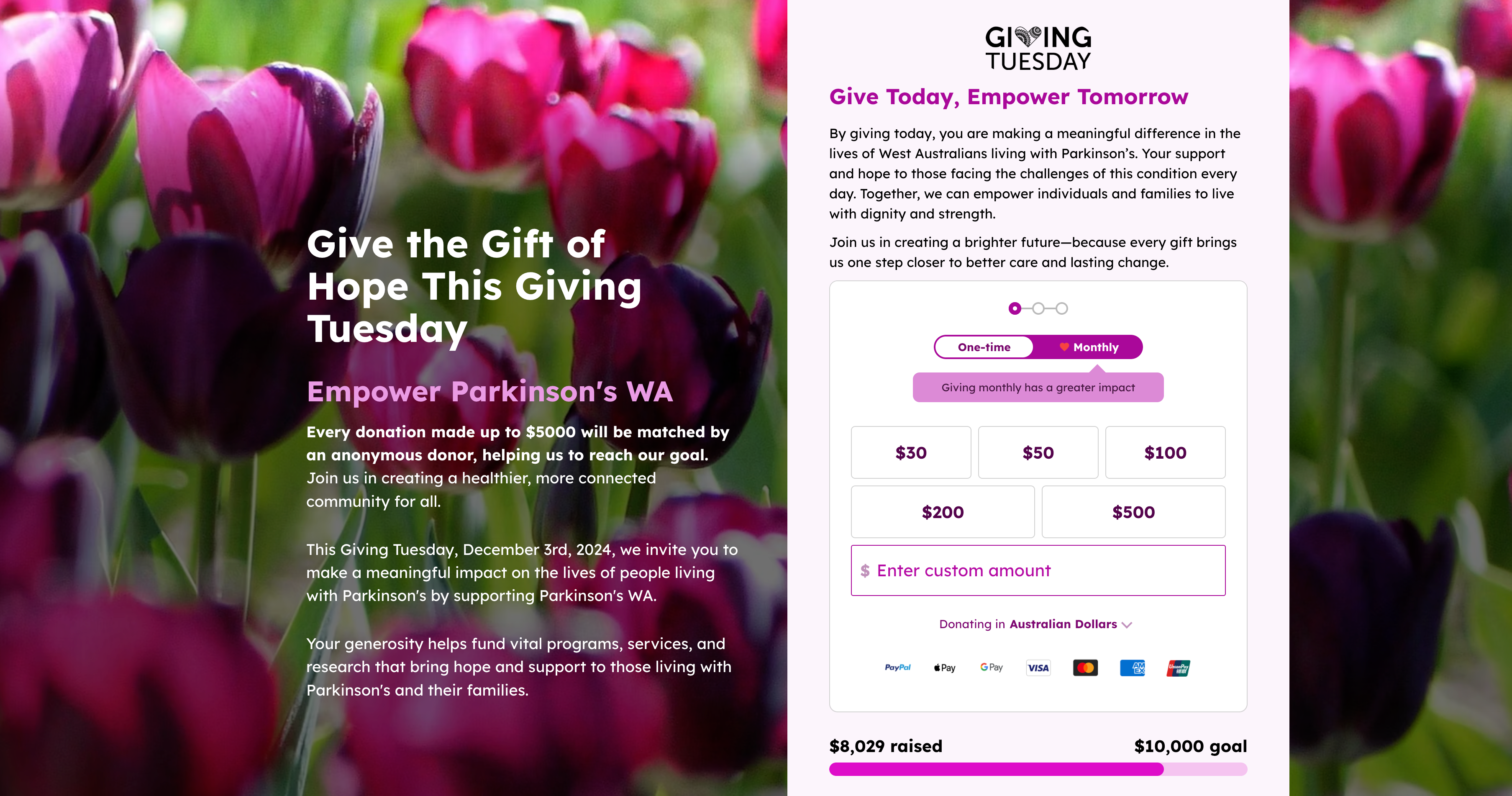
Your donation form should be above the fold, especially on mobile. For Giving Tuesday, it's crucial to have a dedicated donation page that is optimized specifically for this event to capture increased donor interest.
According to the webinar, over 50–70% of nonprofit traffic now comes from mobile, but bounce rates remain high.
Here’s how to fix that:
- Place CTA buttons early and repeat them mid-way down the page
- Use strong button contrast (like green or red)
- Keep header copy simple and emotionally resonant
- Test the page load time to ensure donors don’t leave due to slowness
- Optimize donation forms for user experience and trust, including clear suggested donation amounts and a user-friendly layout
Setting up a special Tuesday donation page can help maximize your Giving Tuesday contributions by making it easy for supporters to give during this high-impact event.
Pair your form with emotional visuals. Encourage supporters to make a small donation; even a small donation can make a big difference, and every contribution counts. And don’t forget trust signals like security badges, tax deductibility language, and testimonials.
The best donation pages feel frictionless, fast, and emotionally relevant. The moment a donor hesitates, you risk losing them.
4. Connect Gifts to Tangible Outcomes
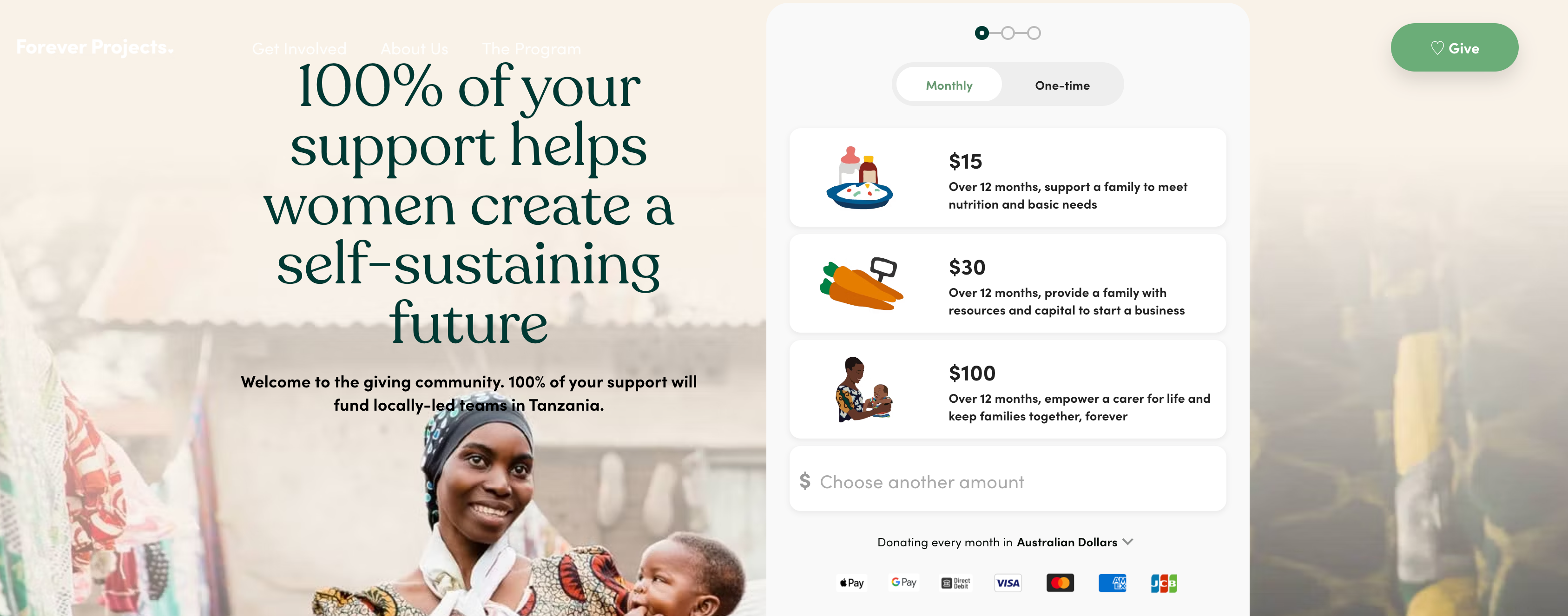
Donors are far more likely to give when they can visualize their impact. Sharing success stories from past campaigns helps donors see the positive impact of their gifts, making the results of their generosity tangible and inspiring.
Example framing:
- “$50 = 5 meals for a family in crisis”
- “$100 = school supplies for one student for a semester”
Impact framing helps donors feel like participants, not just funders. They’re not giving to a black hole; they’re creating measurable change.
Some tips:
- Use icons or infographics on your campaign page
- Feature photos of items or people their gift supports
- Reinforce outcomes in your donation receipt and thank-you email
- Make fundraising goals visible with progress bars or updates, so donors can see how their gifts help reach or surpass targets
Don’t be afraid to repeat these impact amounts in your ads, email subject lines, and social captions. Repetition builds clarity and confidence.
5. Keep the Giving Experience Simple
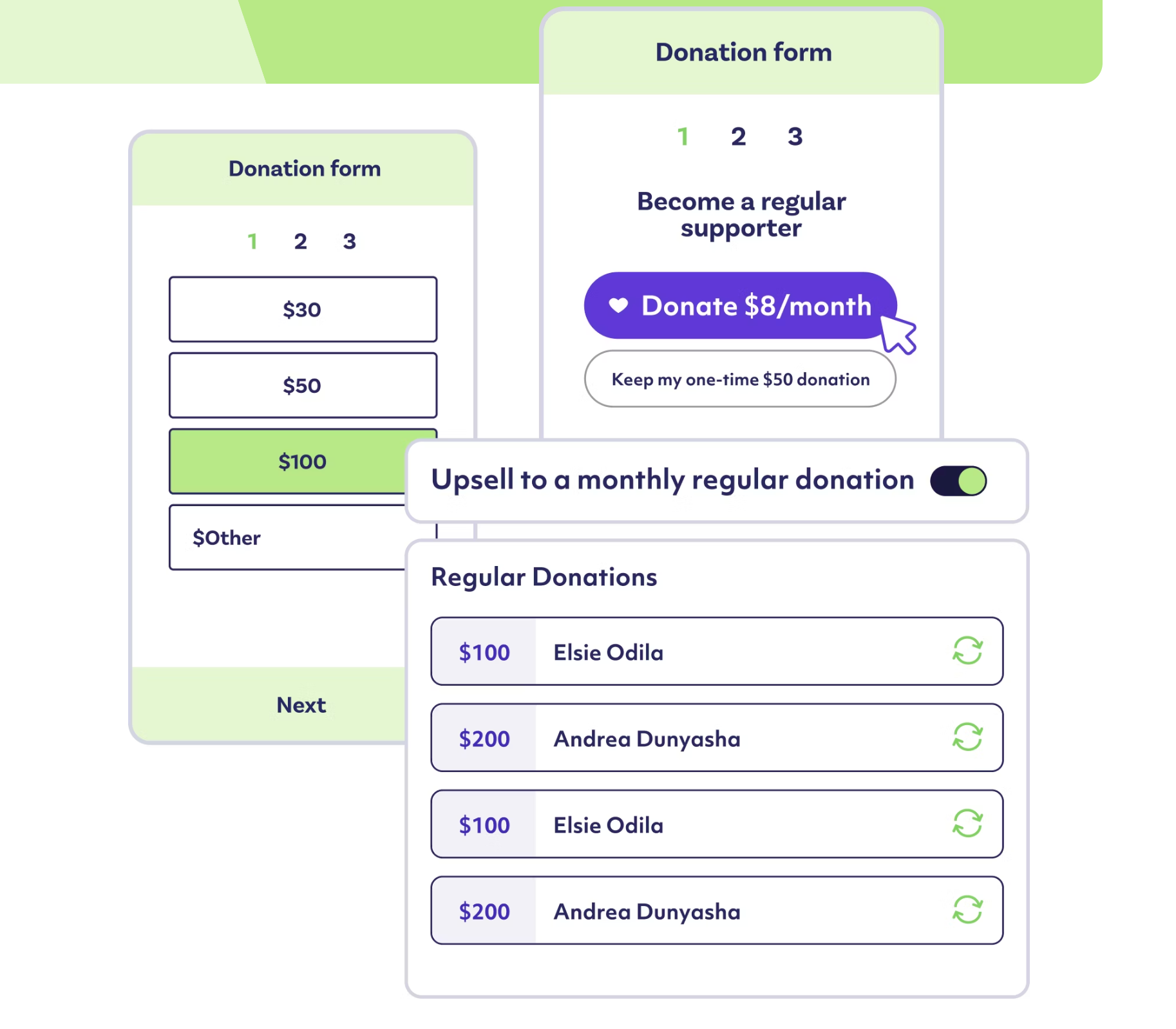
A streamlined form matters more than you think:
- Removing unnecessary fields = +44% conversion
- Multi-step forms = +75% completion, +54% larger donation forms
In the webinar, Madison explained that just like e-commerce checkout flows, every extra click adds risk. So:
- Ask for only what’s essential
- Use single-column layouts
- Enable Apple Pay, Google Pay, and PayPal
Pro tip: if you use a multi-step form, make each step feel like progress. Add headings like “Step 1 of 3: Your Gift”, “Step 2: Your Info”, “Step 3: Confirm & Donate”. This helps keep people moving.
6. Plan Three Emails for Giving Tuesday
Your email cadence should match your audience’s attention span. A well-planned fundraising campaign includes a strategic email cadence to maximize engagement and donations.
Try this:
- Morning: Bold headline + campaign goal + a story
- Midday: Progress update + match incentive
- Evening: Deadline reminder + emotional appeal
Segment your sends:
- Loyal donors: Thank-first language
- First-timers: Emotional introduction
- Lapsed: A reminder of their past impact
You can also layer in short reminder texts or social messages between emails, especially if you’re using a match or challenge. One quick message can nudge a hesitant donor.
Use inspiring stories or messages in these reminders to inspire donors to take action and participate in your campaign.
If you’re looking for more Giving Tuesday email examples, check out our guide!
7. Add a Monthly Giving Option at Checkout
Giving Tuesday is prime time for recurring giving.
Here’s why:
- Motivation is high
- Trust has just been established
- Monthly donors give 42% more annually, highlighting the importance of donor retention rates for nonprofits
Add this to your donation flow:
- “Make this gift monthly” (checkbox)
- Or: “Join our monthly community” (branded language)
You can even A/B test the language:
- “Give Monthly” vs “Become a Sustainer”
- “Keep the impact going” vs “Multiply your impact”
Use Raisely’s regular giving upsell feature to prompt monthly giving automatically post-donation.
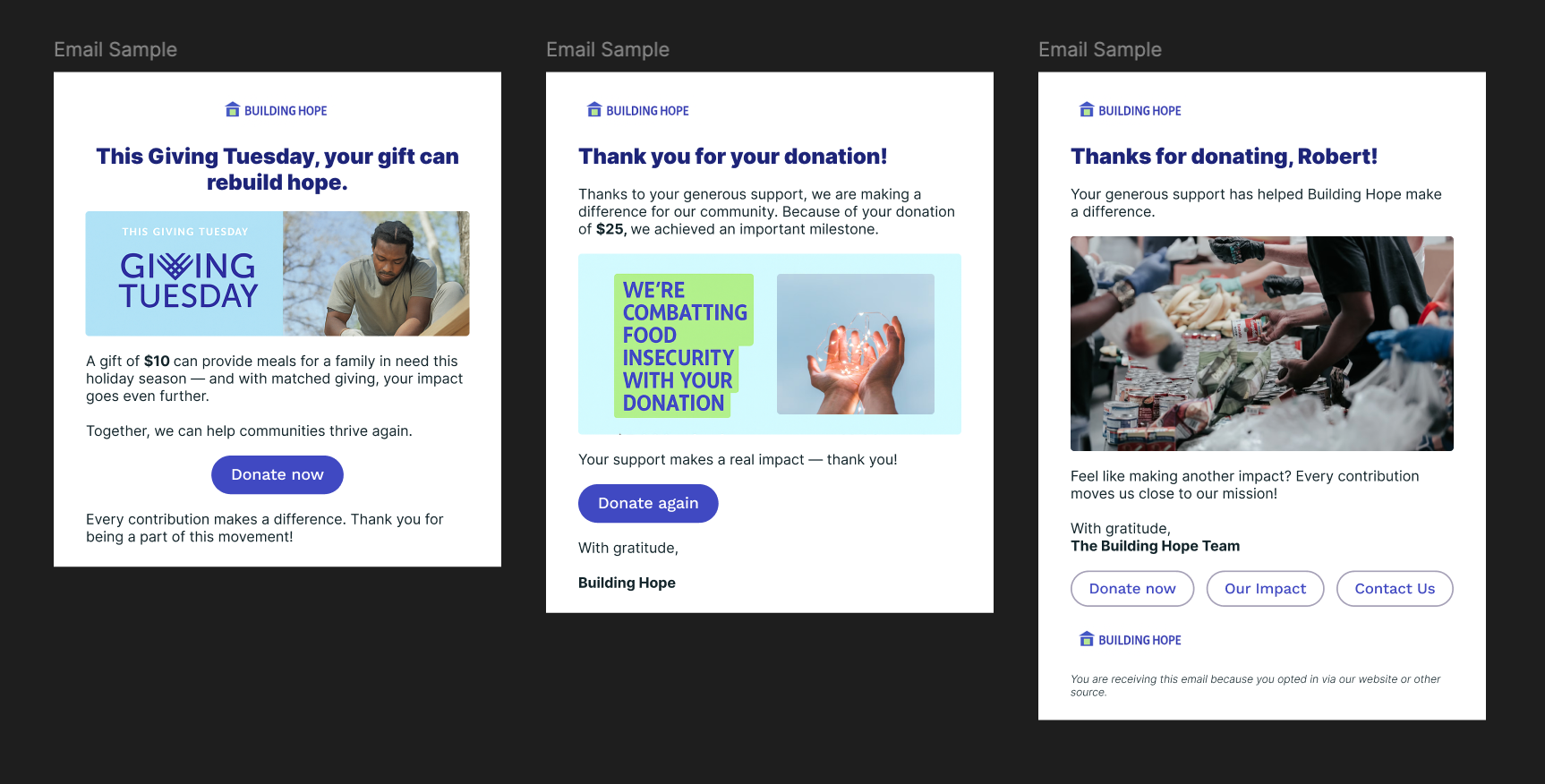
8. Send a Thank-You Within 48 Hours
Donors who are thanked quickly are 4x more likely to give again.
Best practice:
- Send a thank-you email within 2 days
- Include a photo or stat
- Avoid asking for another donation
Prompt thank-yous not only show appreciation but also help keep supporters engaged beyond Giving Tuesday, strengthening relationships for future fundraising efforts.
Better yet, show them how their gift was used:
“Your donation helped fund 3 mental health sessions yesterday. Thank you.”
You can go one step further by sending:
- A video thank-you from your team
- A quote from a beneficiary
- A short impact report before year-end
9. Create a Welcome Series for New Donors
For many people, Giving Tuesday is their first interaction with your nonprofit. Without follow-up, only 20–30% of first-time donors will give again. But with a thoughtful welcome series, that number jumps. Donors who receive multiple, meaningful touches are 43% more likely to stay. Engaging both new and existing supporters in your welcome series is crucial for building lasting relationships and maximizing your campaign’s impact.
Here’s a simple 3-email series you can set up in Keela:
- Welcome email — Share your story and acknowledge their first gift.
- Impact spotlight — Show what their donation achieved.
- Next step — Invite them to join your December appeal or monthly program.
Donor management tools can help you segment new donors and personalize your follow-up, ensuring each supporter receives relevant communication and feels valued.
This donor journey, which mirrors the “Meet Alex” example shared in the webinar, ensures your Giving Tuesday campaign doesn’t end on December 2.
10. Test Everything on Mobile
Finally, before launching your Giving Tuesday campaign, test the entire journey on your phone:
- Email open > CTA > Landing page > Form > Thank-you
Ask:
- Are the buttons tappable?
- Is it fast?
- Is anything broken?
“Mobile-optimized donation pages raise up to 126% more.”
Try different browsers, older devices, and tablets. What looks good on one device might fail on another. Testing across multiple devices helps improve your campaign's performance by ensuring a seamless experience for all users.
Note: Before the official launch, gather early feedback from team members or supporters by conducting a soft launch. This can help you identify issues, collect initial insights, and build social proof for your campaign.
Additional Resources for Your Giving Tuesday Campaigns
Want to go deeper? Here are free tools and guides to help you put these Giving Tuesday campaign ideas into action:
- 🎥 Watch the full webinar recording
- 🎨 Giving Tuesday fundraising template (Raisely)
- 📖 The Ultimate Giving Tuesday Playbook
- 📚 Giving Tuesday Campaign Course (Free on Raisely School)
Share these resources across your social media platforms to boost your campaign's visibility and engagement.
FAQs About Giving Tuesday Campaigns
Why should my nonprofit invest in Giving Tuesday campaigns?
Because it’s the single biggest donor acquisition moment of the year. Many organizations and nonprofit organizations around the world participate in this global movement, making it an unparalleled opportunity to engage new supporters. More donors give on this day than any other, and with the right follow-up, they’re more likely to become long-term supporters.
What makes Giving Tuesday campaign ideas successful?
The strongest campaigns combine anticipation, urgency, and follow-up. As a global day dedicated to charitable giving, Giving Tuesday inspires generosity and unites communities worldwide. Successful campaigns start early with storytelling, create urgency on the day with matches and updates, and follow up quickly with gratitude and impact.
When should I start planning?
Most nonprofits begin in early November. Think of it as a three-phase process: build anticipation, convert on the day, and follow up to build loyalty.
Do Giving Tuesday campaigns work for small nonprofits?
Yes. With plug-and-play templates and automated tools like Keela and Raisely, even small teams can launch professional, high-converting campaigns quickly.
Final Takeaway
Giving Tuesday isn’t just a day on the calendar. It’s a chance to:
- Grow your donor list
- Boost impact revenue
- Launch year-end fundraising strong
Start small. Use what you have. Build in phases. And focus on what really works: clear storytelling, easy donation flows, and fast follow-up.
“Your donors are ready. Make it easy for them to say yes.”
Remember, Giving Tuesday is just the beginning of your year end campaign and ongoing engagement. By participating in the global generosity movement and embracing radical generosity, you join a movement that amplifies your impact far beyond Giving Tuesday itself.
By following these Giving Tuesday campaign ideas, you can turn December 2, 2025 into the beginning of year-round support for your campaign.
.png)