.svg)

Year‑End Giving 2025: 15‑Step Guide to Maximize Impact and Increase Donations

Why is year‑end giving important?
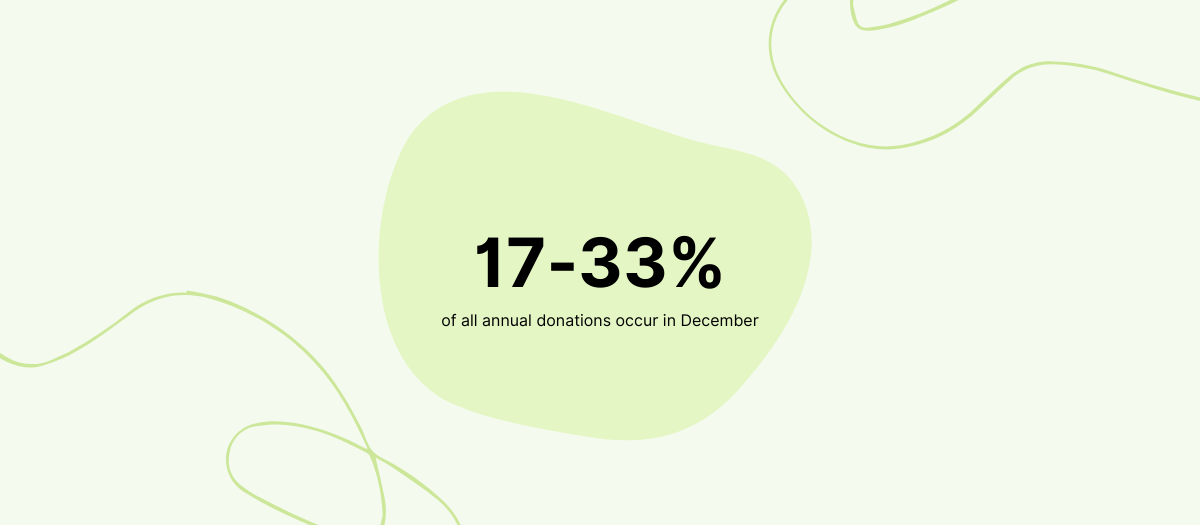
For many nonprofits, the last quarter of the year represents the “Super Bowl” of fundraising. Multiple studies confirm that giving accelerates during the holiday season: 17–33 % of all annual donations occur in December, and some organizations raise about a quarter of their online revenue in this month.
The final days of December, particularly the last two or three-are especially critical: one analysis found that donations made on December 29–31 account for roughly 27 % of annual online giving.
- Missing this window can severely impact your ability to fund programs for the rest of the year.
Beyond the numbers, year‑end giving reflects a cultural tradition of generosity. Many people feel inspired by the holiday spirit of gratitude, hope and community.
It is also the last chance for donors to make gifts that count toward their current tax year, which is particularly salient as people anticipate changes to charitable deduction rules in 2026.
What is a year‑end giving campaign?
A year‑end giving campaign is a coordinated series of fundraising appeals, events, and communications executed between September and December with the goal of maximizing donations before the new year.
It isn’t a single fundraiser but a comprehensive strategy that often includes:
- Storytelling and messaging that tie to an urgent theme or need.
- Segmented outreach via email, social media, direct mail, phone calls and events.
- Matching gift challenges and peer‑to‑peer fundraising to multiply impact.
- Setting clear fundraising goals and aligning the campaign with the organization’s annual fundraising strategy.
- Optimized donation experiences and recurring giving options.
- Stewardship and transparency practices that extend into the new year.
Why do people donate at year‑end?
Several factors drive the surge in giving during the holidays:
- Seasonal generosity – The holiday season evokes empathy and gratitude. People are more aware of those in need and are motivated to share their abundance.
- Marketing research shows that emotional appeals tied to community and compassion perform particularly well in December.
- Giving in the just the U.S. was $3.6 billion on GivingTuesday 2024.
- Tax considerations – Donors who itemize deductions may want to decrease their taxable income before December 31. This incentive will shift starting in 2026, when non‑itemizers can claim a small deduction and itemizers face a new 0.5 % AGI floor.
- Educating donors on how to optimize giving before these changes takes effect can motivate year‑end contributions.
- Holiday traditions – Many families and businesses have established year‑end giving traditions.
- They may host charitable events, make charitable gifts as part of their holiday celebrations, donate in lieu of gifts, or support causes in memory of loved ones.
- Employer matches and bonuses – December is when many companies allocate charitable match budgets and when employees receive end‑of‑year bonuses, enabling larger gifts.
- Employer matching programs are a powerful way to maximize end of year giving.
How do you keep year‑end donors giving into the next year?
Retaining new donors acquired during the year‑end rush is critical. Strategies include:
- Timely thank‑you and impact updates – Promptly acknowledge gifts and show donors how their contribution made a difference. Follow up with quarterly updates and success stories.
- Invite deeper engagement – Encourage donors to volunteer, attend webinars or join program committees.
- Offer a monthly giving option – Recurring donations provide predictable revenue and increased lifetime value. Revenue from monthly giving grew 11 % last year and now accounts for 28 % of online revenue.

- Segment future appeals – Personalize communications based on how donors first engaged. A first‑time year‑end donor might appreciate a New Year thank‑you with stories from your programs, while an upgraded recurring donor might receive a behind‑the‑scenes video.
- Be sure to tailor communications for current donors to maintain their engagement and show ongoing appreciation.
Don't forget key stewardship activities, such as sending timely thank-yous and recognizing donors publicly, to strengthen relationships and encourage future giving.
Your 15‑Step Year‑End Giving Blueprint
Step 1: Define Clear Goals, KPIs and Success Metrics
Start with intention. Define what success looks like so you can measure it and learn from it. Organizations rely on the last few months of the year to meet their fundraising goals and sustain their programs, making this period critical for maximizing donations and engaging supporters.
Consider goals for total revenue, new donor acquisition, donor retention, recurring giving growth, major gifts, and peer‑to‑peer fundraising. Break down these numbers by channel (email, social, direct mail) and donor segment (new vs. returning, small vs. major).
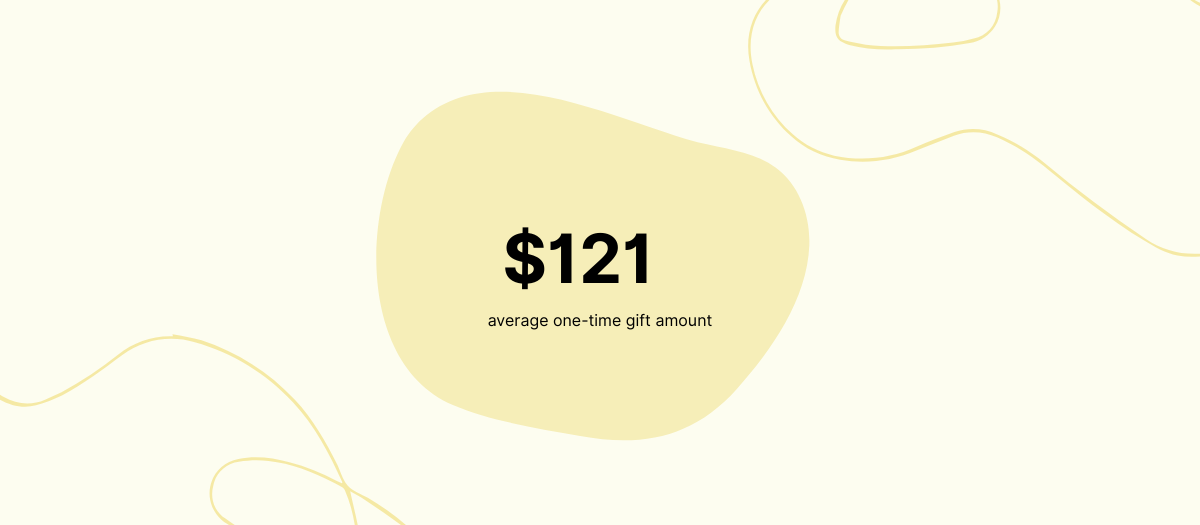
Establish KPIs such as average gift size (the national average one‑time online gift is $121), email open rate and conversion rate. Use last year’s performance as a baseline and adjust expectations based on factors like economic conditions and donor fatigue.
Step 2: Build a Cross‑Functional Team and Assign Roles
A successful year‑end campaign is a team sport. Assemble colleagues from fundraising, marketing, programs, finance and IT, and clarify responsibilities early:
- Fundraising leads create the narrative, craft donor appeals and manage relationships with major donors.
- Marketing and communications oversee branding, design, copywriting and social media. They ensure that the campaign’s visual identity and messaging are consistent across channels.
- Programs staff supply stories and data about the beneficiaries. Their insights make your appeals authentic and compelling.
- Finance tracks donations, ensures compliance, allocates funds according to donor intent and provides transparent reporting. With the upcoming tax changes, accurate reporting will become even more important.
- IT/Operations manage your CRM, donation processing, website integrations and data security.
Hold a kickoff meeting to align on goals, timelines and deliverables. Use project management tools to assign tasks, set deadlines and monitor progress.
Regular check‑ins keep everyone on track and enable quick pivots if something isn’t working.
Step 3: Create a Resonant Campaign Story and Theme
Your campaign story is your anchor, it explains why you’re raising funds, the urgency of the need and the impact donors can create.
A compelling campaign story can also help increase awareness of your mission and fundraising needs during the year-end period, ensuring more people understand and support your cause.
To craft a resonant narrative:
- Start with a hook – Present a powerful statistic or anecdote that captures attention.
- For example: “Last winter, 500 families in our community spent the holidays without electricity.”
- Focus on a single protagonist – Introduce a specific individual, family or program beneficiary whose experience illustrates the larger problem.
- Use quotes, photos or video to bring them to life (with their permission).
- Connect donor action to outcome – Clearly explain how various donation amounts translate into tangible results.
- Donors should feel that their contribution will make a real difference.
- Develop a theme – Choose a memorable tagline that encapsulates your campaign, such as “Light Up the Holidays” or “Fuel Their Future.”
- Use this theme consistently across emails, social graphics, landing pages and printed materials.
Remember that authenticity builds trust. Avoid sensationalizing or pity‑based appeals. Instead, respect the dignity of the people you serve and highlight their resilience alongside their need.
Step 4: Segment Your Donor Audience for Personalization
Personalization drives engagement. Use donor data to create micro‑segments and tailor your messages.
For example:
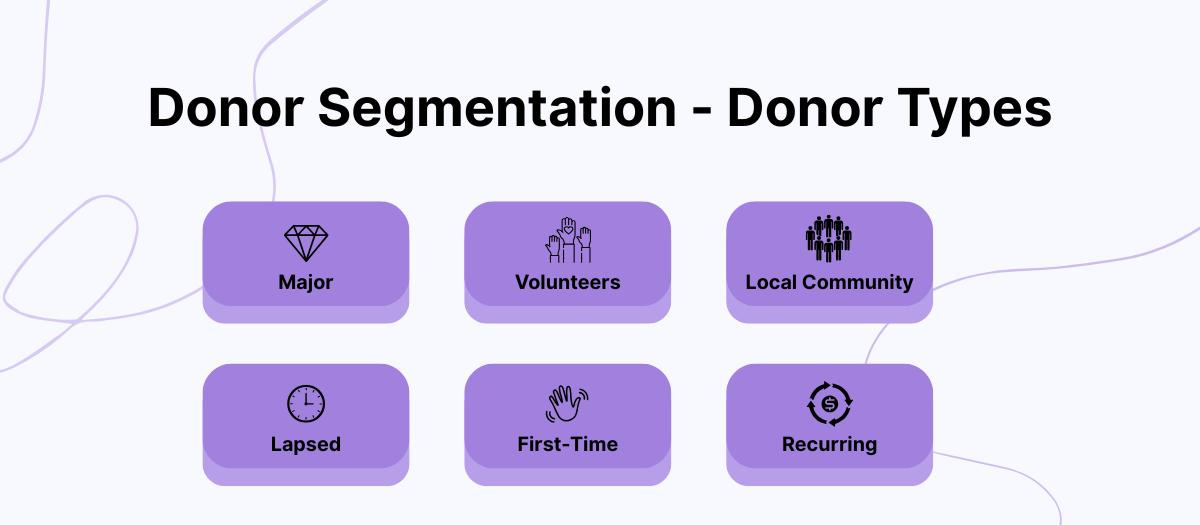
- Lapsed donors (those who haven’t given in 12+ months) receive a gentle re‑engagement note reminding them of their past impact and updating them on new initiatives. Offer them a lower suggested gift to remove barriers.
- First‑time donors get a welcome series explaining your mission and demonstrating early impact. Invite them to become monthly givers and join a community of sustaining supporters.
- Recurring donors are thanked and encouraged to increase their monthly gift. Provide them with exclusive impact reports and special invitations.
- Major donors receive personalized outreach from leadership. Present them with matching gift opportunities or invite them to fund specific projects.
- Volunteers are thanked for their time and shown how a financial gift will amplify their hands‑on contribution.
- Local community members are engaged with tailored messages that reflect their unique connection to your organization, highlighting local impact and opportunities for involvement.
Don’t limit segmentation to digital channels. Direct mail packages and phone call scripts can be customized based on donor history and preferences.
Even small tokens-like referencing a donor’s previous gift amount-demonstrate that you value them as individuals.
Step 5: Plan a Detailed Timeline and Communications Calendar
A robust timeline ensures consistent communication without overwhelming your audience. Build your plan in phases:
- Discovery and strategy (August–September) – Analyze last year’s results, set goals, assemble your team and gather stories. Clean and update your data.
- Content creation and testing (October) – Draft email templates, social posts, direct mail copy and donation pages.
- Test subject lines, images and CTAs with small segments to see what performs best.
- Make sure your website can handle increased traffic and that your forms are easy to use on mobile devices.
- Pre‑launch (Early November) – Send a campaign preview email to your warm audience-board members, volunteers, staff and past donors. Share your theme and goals.
- Invite them to champion the campaign by creating peer‑to‑peer pages or contributing a matching gift.
- GivingTuesday kickoff (Dec 2) – Use this to launch your year-end fundraising push. Plan multiple touchpoints on this day.
- Start with a morning email launch, post updates on social media throughout the day and send a final push in the evening. If you secure a match, emphasize it to spur urgency.
- Mid‑campaign engagement (Mid December) – Share impact stories and updates on progress. Launch a mini‑challenge (e.g., “Help us raise $5,000 by Friday to unlock another $5,000 match!”).
- If you are running events, hold them during this phase and use them to collect donor stories or testimonials.
- Final countdown (Dec 29–31) – The last three days of December are especially important for maximizing donations. Send segmented reminders with specific ask amounts or calls to action.
- For example, an email to lapsed donors might say, “There’s still time to make a difference in 2025,” while recurring donors may receive, “Would you consider an extra one‑time gift to help us finish strong?”
- Post hourly progress updates on social media, and use SMS to send a quick reminder on December 31.
- Post‑campaign follow‑up (January) – Send a thank‑you message within the first few days of the new year. Provide a transparent breakdown of money raised and its projected impact. Invite donors to take a survey about their giving experience and ask how they’d like to be engaged in the coming year.
Step 6: Develop a Multichannel Outreach Strategy
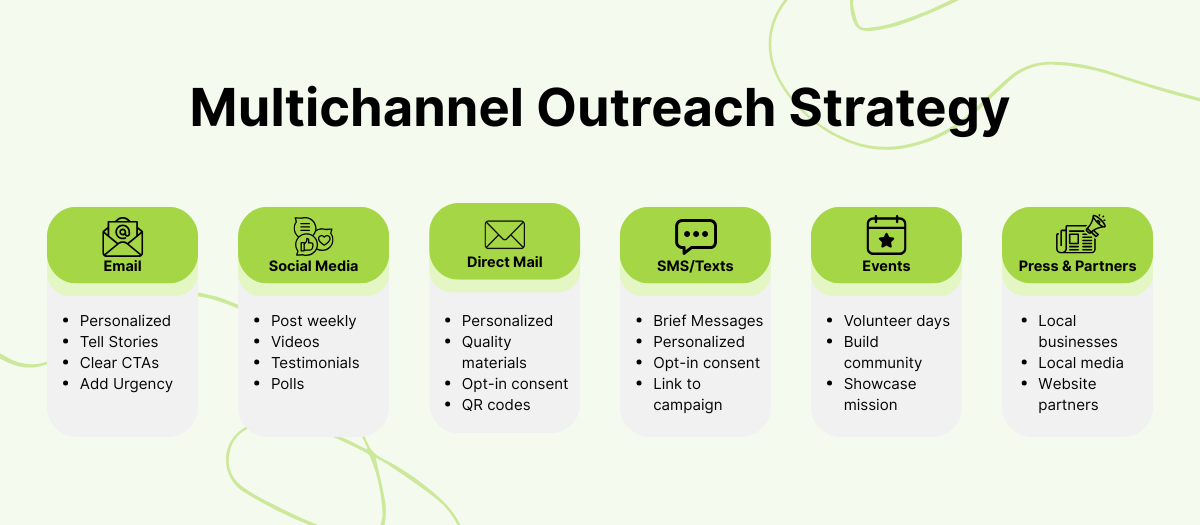
Your supporters interact with multiple platforms, so your campaign should meet them where they are. Each channel has its strengths:
- Email: Personalize messages with donors’ names and past giving, tell a story, use strong images and clear calls to action. Send informative emails early, urgent appeals near deadlines and thank‑you messages right after gifts.
- Social media: Plan daily or weekly posts featuring stories, videos, infographics and live streams. Showcase donor testimonials and behind‑the‑scenes glimpses, and use platform‑specific tools like Instagram polls, Facebook fundraisers, X threads or TikTok challenges.
- Direct mail: Send personalized letters on quality paper with a compelling story and clear ask. Include a return envelope and a QR code linking to your online donation page.
- SMS/texts: Keep messages brief (e.g., “Help us reach our goal by midnight—donate now!”), obtain opt‑in consent and offer a text‑to‑give option for convenience.
- Events: Host small holiday parties, candlelight services or volunteer days to build community and show your mission in action. Use chat, polls and Q&A to make virtual events interactive.
- Press and partnerships: Team up with local businesses or influencers, or seek a feature in local media to spread your story to new audiences.
Integrate your channels so they reinforce each other. For example, include a social sharing button in your thank‑you email or feature your direct mail story in a Facebook post.
Use consistent branding and messaging across platforms to avoid confusion.
Step 7: Optimize Your Donation Experience
It’s not enough to drive donors to your website-once they’re there, the giving experience must be smooth. A cumbersome process can lead to cart abandonment. Focus on:
- Simplicity – Limit form fields. Offer guest checkout (no account required). Remove unnecessary navigation or links that could distract donors from completing their gift.
- Clarity – Clearly display donation amounts and the impact of each level. Use buttons instead of drop‑down menus. Explain recurring giving options and allow donors to dedicate gifts in honor or memory of someone.
- Speed – Optimise page load times and payment processing. Use autofill where possible. Provide confirmation immediately upon submission and send a receipt with tax information.
- Accessibility – Ensure your page meets accessibility standards (e.g., appropriate contrast, alt text for images, screen reader compatibility). Accessible design is inclusive and often improves overall user experience.
- Security – Display security badges and certifications to assure donors that their payment information is protected. Compliance with PCI standards is essential.
- Testing – Perform A/B tests on headlines, button colors, default donation amounts and placement of recurring giving options. Use analytics to identify drop-off points and refine the experience throughout the campaign.
Step 8: Secure and Promote Matching Gifts and Challenge Grants
Matching gifts can dramatically increase the impact of individual donations and create momentum. To maximize their effectiveness:
- Cultivate relationships with match sponsors – Approach board members, philanthropic individuals and local businesses months in advance. Explain the marketing benefits and community goodwill they will receive by sponsoring a match.
- Determine match structures – Options include dollar-for-dollar matches up to a certain amount, time-based matches (e.g., donations made within 24 hours are doubled), or tiered matches where higher gifts are matched at a higher percentage.
- Communicate clearly – Promote the match across all channels and emphasise urgency. Use phrases like “Your gift will be doubled!” or “Help us unlock a $50,000 challenge grant by midnight.” Countdown timers and progress bars can increase excitement.
- Publicly acknowledge the match sponsor – With their permission, thank the sponsor in emails and social posts. Recognition can encourage future partnerships.
- Leverage corporate matching – Encourage donors to check if their employers match gifts.
- Provide a searchable database or a link to a matching gift tool (such as Double the Donation) so donors can easily submit requests.
- Employer matching is especially effective during year-end campaigns and fundraising events like Giving Tuesday, as it can significantly boost participation and contributions.
Step 9: Harness the Power of Peer‑to‑Peer Fundraising
Peer‑to‑peer (P2P) fundraising empowers your supporters to become ambassadors for your cause.
These campaigns enable individuals to fundraise within their own networks, expanding the reach of your year-end efforts. It expands your reach and taps into networks you might not otherwise access. Key considerations:
- Pick the right platform – Choose a P2P tool that integrates with your CRM and is easy for fundraisers to use. Raisely is a popular P2P solution.
- Provide guidance and resources – Create a toolkit containing step‑by‑step instructions, sample emails, social media templates, and images.
- Include tips on storytelling and suggestions for donation levels. Provide training webinars or video tutorials to boost confidence.
- Recruit a diverse cohort of fundraisers – Invite board members, staff, volunteers, beneficiaries, and corporate partners. Each group brings different networks and credibility.
- Motivate with gamification – Use leaderboards, badges and prizes to encourage friendly competition.
- Recognize top fundraisers publicly and offer incentives like exclusive swag or a meeting with your CEO.
- Support fundraisers throughout – Keep in regular touch with your fundraisers. Offer encouragement, troubleshoot issues and celebrate milestones. Provide them with updated impact stories they can share.
Peer‑to‑peer campaigns are most effective when combined with a clear challenge or match.
For instance, you might set a goal for P2P fundraisers to collectively raise $50,000 in 72 hours, which will unlock a $50,000 match from a major donor.
Step 10: Engage Board Members and Major Donors Early and Often
Board members and major donors provide essential leadership and funding. Their early involvement signals confidence in your campaign.
Here are ways to engage them:
- Pre‑campaign briefing – Host a small gathering or virtual session to present the year‑end plan. Invite feedback on messaging, theme and goals.
- Encourage board members to commit their gifts early to serve as lead gifts or matching funds.
- Personalized outreach – Assign an executive or senior staff member to call or meet with each major donor.
- Discuss their philanthropic goals, update them on your work and present tailored giving opportunities.
- Encourage advocacy – Ask board members and major donors to share your campaign with their networks via email, social media or personal letters.
- Provide them with ready‑made content and highlight the impact of peer endorsements.
- Offer exclusive opportunities – Invite them to special events, program tours or behind‑the‑scenes briefings.
- Share programmatic insights and show how their gifts are making a difference.
- Recognition and appreciation – Acknowledge their contributions publicly (with permission) and privately.
- Send handwritten thank‑you notes and provide timely updates on the outcomes achieved with their support.
Step 11: Double Down on Recurring Giving
Recurring donors are the lifeblood of sustainable revenue. They give consistently, have higher lifetime value and often feel a deeper connection to the mission. To encourage recurring giving:
- Position monthly giving as the default – Design your donation form so that the monthly option is prominent. Use persuasive copy like “Yes, I want to give monthly to provide ongoing support.”
- Show the cumulative impact – Illustrate how a small monthly gift adds up. For example, “$30 per month = $360 a year, enough to supply 12 students with textbooks.”
- Create a giving society – Offer benefits to recurring donors, such as a welcome kit, quarterly impact updates, early registration for events and recognition in your annual report.
- Make upgrading easy – Allow donors to increase, decrease or pause their monthly gift without hassle. Use email journeys that invite donors to upgrade after a year of support.
- Provide flexible options – Some donors prefer quarterly or annual gifts. Offer multiple recurring frequency options to suit different budgets.
Step 12: Elevate Your Campaign with Social Proof and Community
Social proof builds trust by demonstrating that many others support your cause. Strategies to enhance community feel include:
- Donor spotlights – Feature short profiles of donors from diverse backgrounds-students, retirees, business owners. Ask them why they give and how it aligns with their values.
- Live donor rolls – On your donation page, display a scroll showing the names (with permission) and amounts of recent donors. This real-time feed inspires others to join in.
- Interactive challenges – Encourage donors to post on social media with your campaign hashtag and share why they’re giving. Repost these stories on your platforms.
- Community partnerships – Partner with local businesses to host fundraiser nights, where a percentage of sales benefits your organization.
- Giving days or micro-campaigns – Host mini-drives within your broader campaign, such as “Volunteer Wednesday” or “Matching Gift Monday,” which add variety and keep momentum going.
Step 13: Provide Transparency and Real‑Time Reporting
Transparency underpins trust. Donors want to know where their money goes and the impact it has. Build trust through:
- Progress tracking – Share daily or weekly updates on funds raised and impact metrics. Use a thermometer graphic or progress bar on your website and social posts.
- Financial reporting – At the campaign’s end, provide a detailed breakdown of how funds will be allocated (program costs vs. administrative costs) and the projected number of beneficiaries. Tools like Aplos can help generate these reports efficiently.
- Impact stories – Throughout the campaign and afterwards, share stories showing how donations change lives. Use quotes, photos and videos to demonstrate outcomes.
- Access to leadership – Host a Q&A session with your executive director or program managers. Encourage donors to ask questions about operations, budgets and plans. Honest dialogue fosters long-term trust.
- Follow‑through – If you promised a match or a project, fulfill those promises and report back. Donors appreciate when organizations deliver on their commitments.
Step 14: Steward Donors and Retain Their Support
Acquiring a donor is expensive; retaining them is far more cost-effective. After the campaign ends, shift your focus to stewardship:
- Immediate thank‑yous – Send acknowledgment emails within minutes of a donation and follow up with more personalized messages.
- Use donors’ names, reference their gift amount and reiterate the impact.
- Multi‑channel gratitude – Thank donors publicly on social media (with their permission), in newsletters and at events.
- Recognize recurring donors, peer fundraisers and major donors distinctly.
- Continued storytelling – Keep donors engaged by sharing regular updates about the programs they’ve supported.
- Invite them to webinars or site visits to see their gifts in action.
- Solicit feedback – Send a survey asking donors about their giving experience: Did they find the donation page easy to use? Were communications clear and meaningful? Did they feel appreciated?
- Incorporate this feedback into future campaigns.
- Suggest next steps – Offer donors opportunities to deepen their involvement: volunteer, join a committee, become a recurring donor, or attend an advocacy training. Make it easy for them to stay connected.
Step 15: Educate Donors About 2026 Tax Changes and Encourage Strategic Giving
Tax policy influences giving behavior, especially among high‑income donors. With the Tax Cuts and Jobs Act (TCJA) expiring at the end of 2025 and the One Big Beautiful Bill Act (OBBBA) introducing new rules in 2026, donors will face different incentives
Charitable giving at year-end can provide valuable tax benefits, as many donations are tax deductible, making it a strategic choice for donors looking to maximize their tax advantages before new rules take effect.
Key changes include:
- Universal charitable deduction for non‑itemizers – Starting Jan. 1, 2026, individuals who don’t itemize can claim an above‑the‑line deduction of up to $1,000 ($2,000 for married couples). This encourages middle‑income donors to give even if they take the standard deduction.
- 0.5 % AGI floor for itemizers – Donors who itemize must exceed 0.5 % of their adjusted gross income in charitable contributions before deductions apply. This may prompt some donors to bunch their gifts (combine multiple years’ contributions into a single year) to surpass the threshold.
- Deduction cap at 35 % – The maximum tax rate at which deductions can be taken is 35 % (instead of the top marginal rate), potentially reducing tax incentives for high‑income donors.
- Corporate giving floor of 1 % – Corporations must donate at least 1 % of their taxable income to qualify for a deduction, which could discourage smaller corporate gifts but may incentivize larger commitments.
To help donors navigate these changes, your year‑end campaign should include educational resources:
- Webinars and workshops – Host a session with a tax professional who can provide general information (without offering specific financial advice). Explain how bunching, donor‑advised funds (DAFs) and gifts of appreciated assets (stocks, mutual funds) can maximize impact under the new rules.
- Informational guides – Create a one‑pager or blog post summarizing the key changes and their implications for different donor segments (non‑itemizers, itemizers, corporations).
- Personal outreach for major donors – For high‑net‑worth donors, offer to connect them with trusted advisors who understand philanthropic tax planning. These donors may wish to accelerate giving into 2025 to take advantage of current rules.
- Encourage non‑cash gifts – Gifts of appreciated securities or real estate can offer significant tax advantages. Explain the process and benefits, and ensure your organization has a policy for receiving such gifts.
Being proactive about tax changes positions your organization as a trusted advisor and helps donors make informed decisions. It also demonstrates that you value your donors’ financial well‑being, which strengthens relationships.
Additional Resources to Power Your Campaign
Successful year‑end giving requires both strategy and execution.
To help you implement the steps above, here are some free resources from across the Velora suite:
- Keela’s Year‑End Fundraising Checklist – A printable checklist covering everything from data cleanup to final thank‑you letters. Perfect for staying organized amid the holiday hustle.
- Raisely’s GivingTuesday Playbook – Detailed guidance on planning, marketing and executing a successful GivingTuesday event, including templates for social posts and email journeys. Aplos and Keela have dedicated hubs to get you started with GivingTuesday as well.
- Aplos’ Tools & Downloads – A collection of eBooks, guides, checklists, detailed how-tos, nonprofit templates and other resources to help you grow and manage your nonprofit.
- Webinar: “Building Donor Trust: Financial Strategies for Year‑End Giving” – Learn how to align gifts with donor intent, manage increased December revenue without chaos, and prepare for 2026 policy changes. Register here.
Frequently Asked Questions
Q: When should I start planning my year‑end campaign?
A: Ideally, begin planning in August or September. This allows time to review past results, set goals, gather stories, segment your audience, secure matching gifts, and test your communications.
Q: How many emails should I send?
A: It depends on your audience’s tolerance and engagement, but a typical cadence includes: a preview email in early November, a launch email on GivingTuesday, two to three emails mid‑December with impact updates, and two or three emails in the final week of December.
Q: Should I use direct mail?
A: Yes-if budget allows. Direct mail remains an effective way to reach donors who prefer physical communication. Combining mail with email and social media increases the likelihood that your message will be seen.
Q: What if I don’t have a large team or budget?
A: Focus on the essentials: craft a compelling story, send well-written emails, optimize your donation page, and steward donors diligently.
Q: How can I prepare for the 2026 tax changes?
A: Stay informed and keep your donors informed. Work with your finance team or an advisor to understand how your donors may be impacted by the universal deduction, AGI floor and deduction caps.